.webp&w=256&q=75) University of Life Sciences „King Mihai I” Timișoara
University of Life Sciences „King Mihai I” Timișoara
About the Faculty of
Bioengineering of Animal Resources
With a tradition that began in 1948, the Faculty of Bioengineering of Animal Resources prepares specialists for a field at the intersection of animal husbandry, biotechnology, and food innovation. Students benefit from a modern curriculum, internships, and international opportunities, being trained to contribute to the sustainability of animal and agri-food resources.
About the Faculty of
Bioengineering of Animal Resources
With a tradition that began in 1948, the Faculty of Bioengineering of Animal Resources prepares specialists for a field at the intersection of animal husbandry, biotechnology, and food innovation. Students benefit from a modern curriculum, internships, and international opportunities, being trained to contribute to the sustainability of animal and agri-food resources.
Structure
Who we are
History
The Faculty of Bioengineering of Animal Resources within the University of Life Sciences "King Mihai I" of Timișoara stands out for its solid tradition, as well as for its future-oriented vision. Initially established in 1948 in Arad, under the name of the Faculty of Animal Husbandry, it was transferred to Timișoara in 1955, and over the decades it has continuously developed, responding to the changing needs of society and the labor market.

History
The Faculty of Bioengineering of Animal Resources within the University of Life Sciences "King Mihai I" of Timișoara stands out for its solid tradition, as well as for its future-oriented vision. Initially established in 1948 in Arad, under the name of the Faculty of Animal Husbandry, it was transferred to Timișoara in 1955, and over the decades it has continuously developed, responding to the changing needs of society and the labor market.
Since 1992, with the introduction of the "Agricultural Biotechnologies" program, the faculty has become a benchmark in higher education in the field, gradually expanding its portfolio of specializations. Over time, innovative programs such as "Aquaculture and Fisheries," "Entrepreneurship in Food Production," and "Biotechnologies" (in Romanian and English) have been established, which naturally led to the name change in 2018 to "Faculty of Bioengineering of Animal Resources," more accurately reflecting the current profile of the institution.
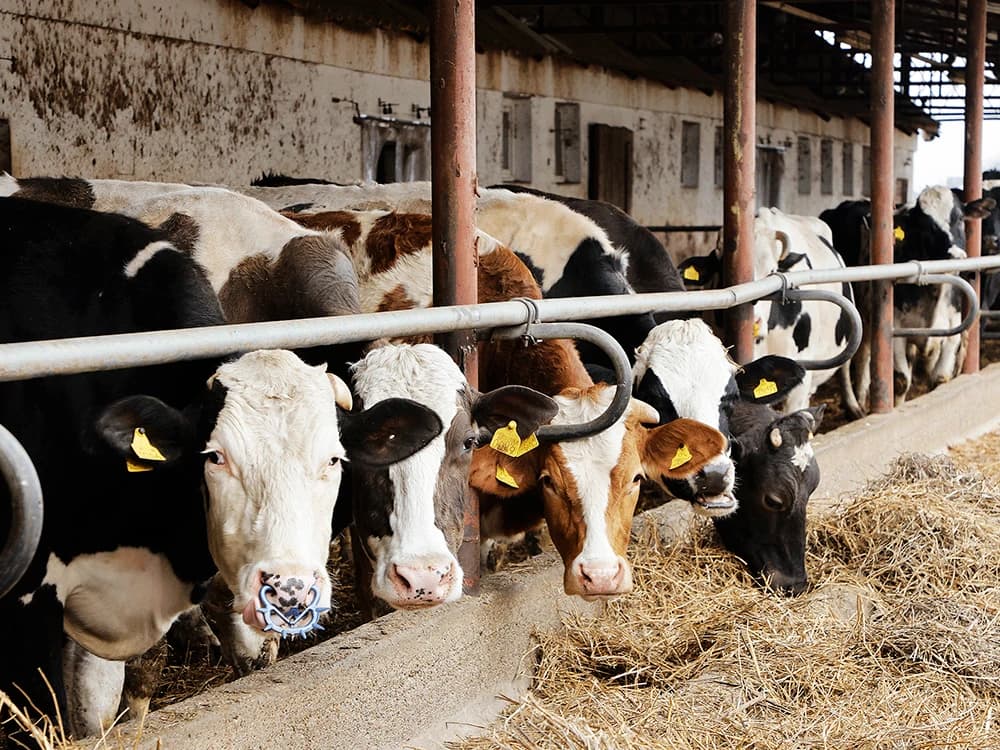
Since 1992, with the introduction of the "Agricultural Biotechnologies" program, the faculty has become a benchmark in higher education in the field, gradually expanding its portfolio of specializations. Over time, innovative programs such as "Aquaculture and Fisheries," "Entrepreneurship in Food Production," and "Biotechnologies" (in Romanian and English) have been established, which naturally led to the name change in 2018 to "Faculty of Bioengineering of Animal Resources," more accurately reflecting the current profile of the institution.
Today, the faculty offers five bachelor's programs with a duration of four years: Animal Science, Agricultural Biotechnologies, Biotechnologies (RO/EN), and Entrepreneurship in Food Production. All are accredited and built on a modern curriculum structure that combines scientific fundamentals with the practical training necessary for a quick and relevant integration into the labor market.
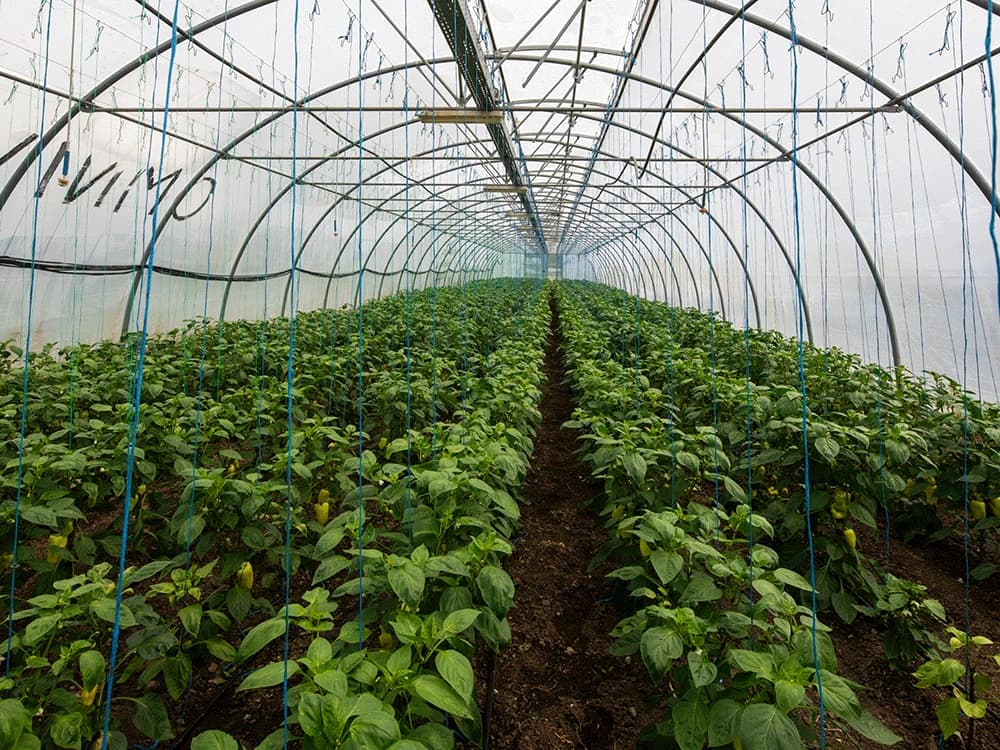
Today, the faculty offers five bachelor's programs with a duration of four years: Animal Science, Agricultural Biotechnologies, Biotechnologies (RO/EN), and Entrepreneurship in Food Production. All are accredited and built on a modern curriculum structure that combines scientific fundamentals with the practical training necessary for a quick and relevant integration into the labor market.
Students have access to modern laboratories, state-of-the-art equipment, and an active network of partnerships with farms, companies, and research institutions in the fields of agro-zootechnics and biotechnology. Practical activities and internships in real work environments are an essential component of training, complemented by participation in applied research projects or interdisciplinary collectives.
The faculty encourages innovation, entrepreneurial spirit, and the development of sustainable solutions in the use of biological resources. The study programs address current topics such as applied genetics, animal nutrition, animal health and welfare, sustainable food technologies, or the development of biotechnological products.
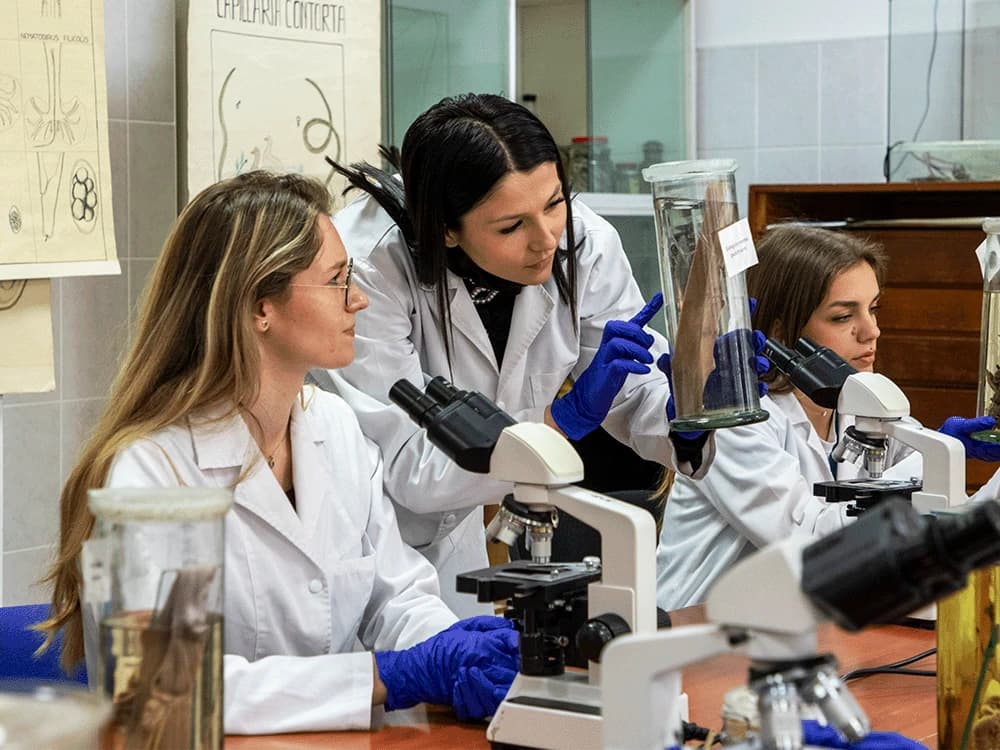
Students have access to modern laboratories, state-of-the-art equipment, and an active network of partnerships with farms, companies, and research institutions in the fields of agro-zootechnics and biotechnology. Practical activities and internships in real work environments are an essential component of training, complemented by participation in applied research projects or interdisciplinary collectives.
The faculty encourages innovation, entrepreneurial spirit, and the development of sustainable solutions in the use of biological resources. The study programs address current topics such as applied genetics, animal nutrition, animal health and welfare, sustainable food technologies, or the development of biotechnological products.
An important dimension is represented by internationalization, with students having the opportunity to participate in ERASMUS+ mobilities and other international collaborations, which provide them with essential formative experiences in a European context.
By combining tradition with progress, through academic rigor and openness to innovation, the Faculty of Animal Resources Bioengineering remains a center of excellence in training specialists who will contribute to the sustainable transformation of the agri-food sector, biotechnology, and the green economy.
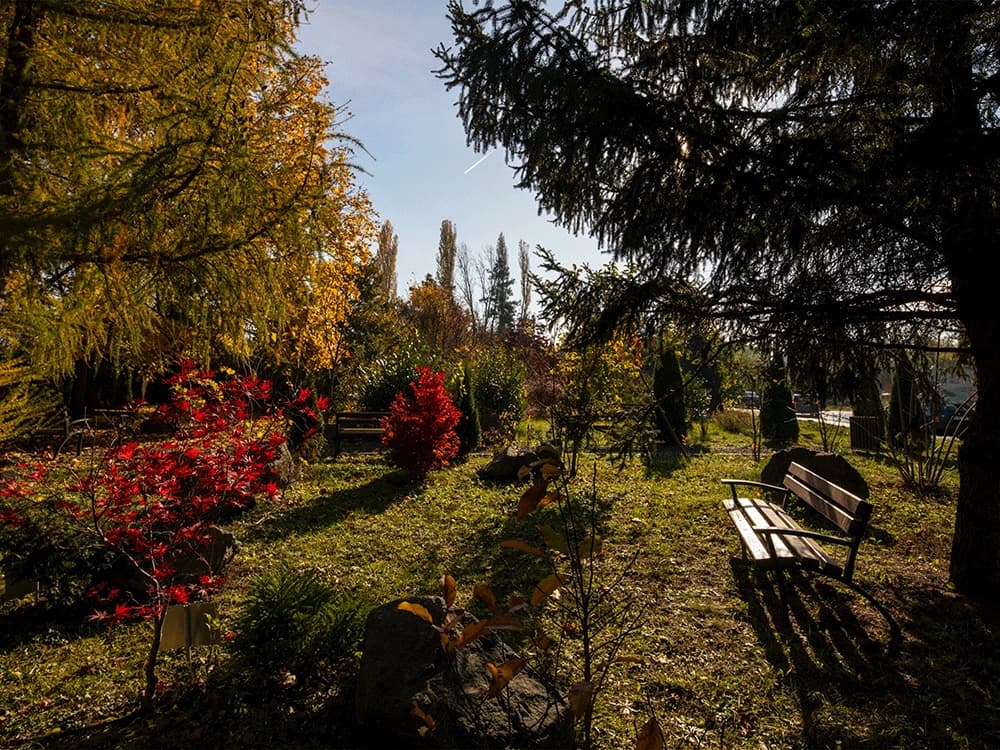
An important dimension is represented by internationalization, with students having the opportunity to participate in ERASMUS+ mobilities and other international collaborations, which provide them with essential formative experiences in a European context.
By combining tradition with progress, through academic rigor and openness to innovation, the Faculty of Animal Resources Bioengineering remains a center of excellence in training specialists who will contribute to the sustainable transformation of the agri-food sector, biotechnology, and the green economy.
Leadership
Academic and administrative leadership structure of the faculty, with assignments, mandates and composition of the faculty council and the dean's team.

Newsletter
Subscribe to our newsletter
Subscribe to receive the latest information about university activities, academic and research initiatives, events dedicated to students and partners, collaboration opportunities, international projects, and updates from the life of USVT.