.webp&w=256&q=75) University of Life Sciences „King Mihai I” Timișoara
University of Life Sciences „King Mihai I” Timișoara
About the Faculty of
Veterinary Medicine
The Faculty of Veterinary Medicine trains specialists in animal health and veterinary public health within an academically accredited framework at the European level. Students benefit from modern laboratories, their own veterinary clinics, and internships, preparing for careers in veterinary medicine, research, the pharmaceutical industry, food safety, or agri-food management.
About the Faculty of
Veterinary Medicine
The Faculty of Veterinary Medicine trains specialists in animal health and veterinary public health within an academically accredited framework at the European level. Students benefit from modern laboratories, their own veterinary clinics, and internships, preparing for careers in veterinary medicine, research, the pharmaceutical industry, food safety, or agri-food management.
Structure
Who we are
The Faculty of Veterinary Medicine within the University of Life Sciences "King Michael I" in Timișoara is one of the reference institutions in the field of training professionals in veterinary medicine and related sciences in Romania. With a history that began in 1944 and the resumption of activities in its current form in 1962, the faculty has constantly developed, responding to the scientific and professional challenges of each era.
Today, the faculty offers bachelor's, master's, and doctoral study programs, aligned with national and European standards, being accredited by relevant international bodies in the field. The bachelor's program in Veterinary Medicine, lasting 6 years, prepares specialists capable of competently intervening in the diagnosis, prevention, and treatment of diseases in animals, as well as in related fields such as food safety, veterinary public health, biomedical research, or specialized consulting.
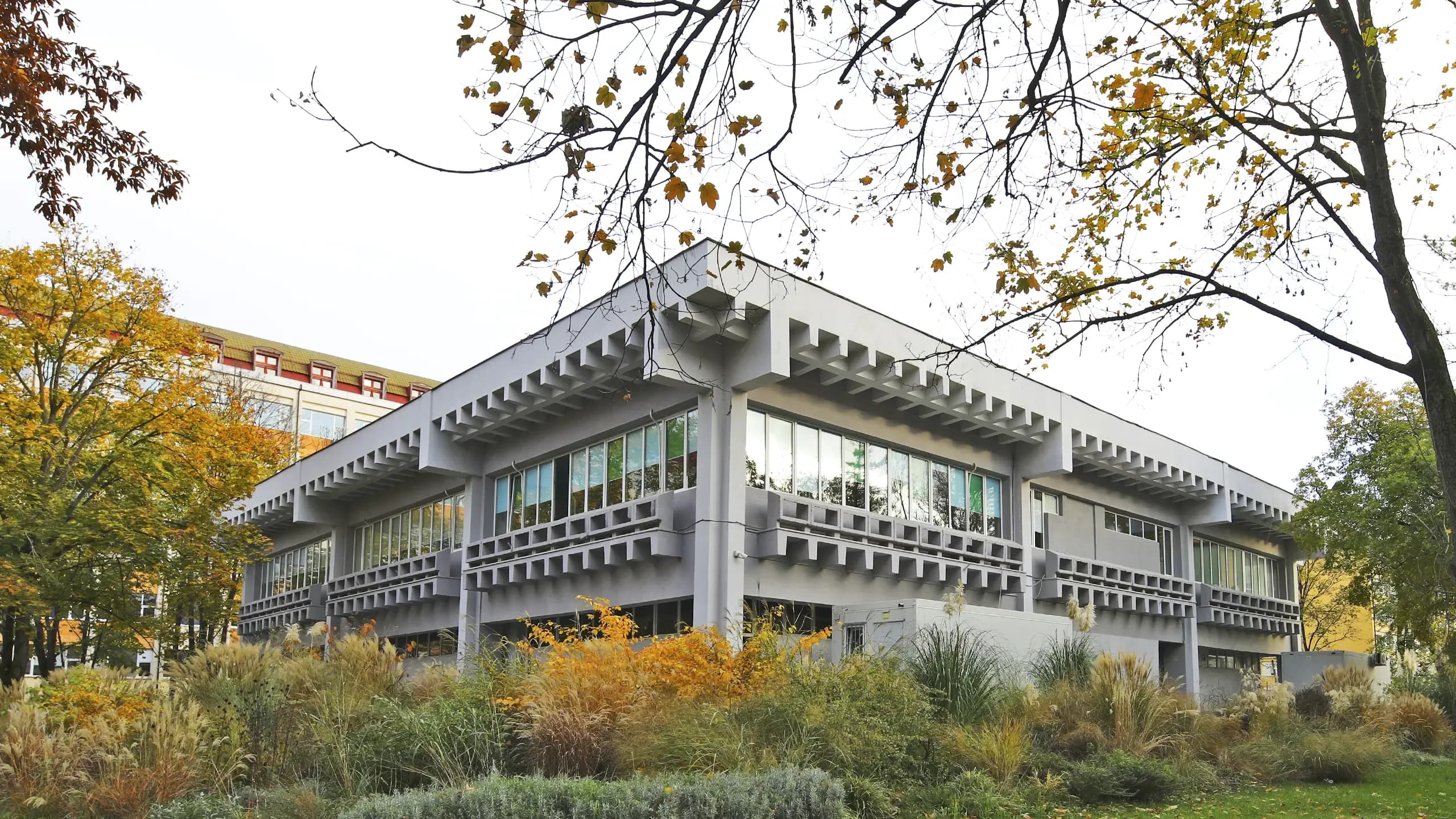
The Faculty of Veterinary Medicine within the University of Life Sciences "King Michael I" in Timișoara is one of the reference institutions in the field of training professionals in veterinary medicine and related sciences in Romania. With a history that began in 1944 and the resumption of activities in its current form in 1962, the faculty has constantly developed, responding to the scientific and professional challenges of each era.
Today, the faculty offers bachelor's, master's, and doctoral study programs, aligned with national and European standards, being accredited by relevant international bodies in the field. The bachelor's program in Veterinary Medicine, lasting 6 years, prepares specialists capable of competently intervening in the diagnosis, prevention, and treatment of diseases in animals, as well as in related fields such as food safety, veterinary public health, biomedical research, or specialized consulting.
The educational process takes place in a modern and well-equipped infrastructure, which includes its own veterinary clinics, preclinical and clinical laboratories (anatomy, histology, microbiology, parasitology, pathology, veterinary pharmacy, genetics, infectious diseases, surgery, etc.), dissection rooms, amphitheaters, computerized laboratories, as well as facilities for internships and applied research.
The faculty stands out for its intense scientific activity, in which students, master's students, doctoral candidates, and teaching staff are involved in national and international research projects. Partnerships with universities in Europe, Asia, and North America allow for mobility through the Erasmus+ program, collaborations in the field of research, and academic exchanges that add value to the professional training of students.
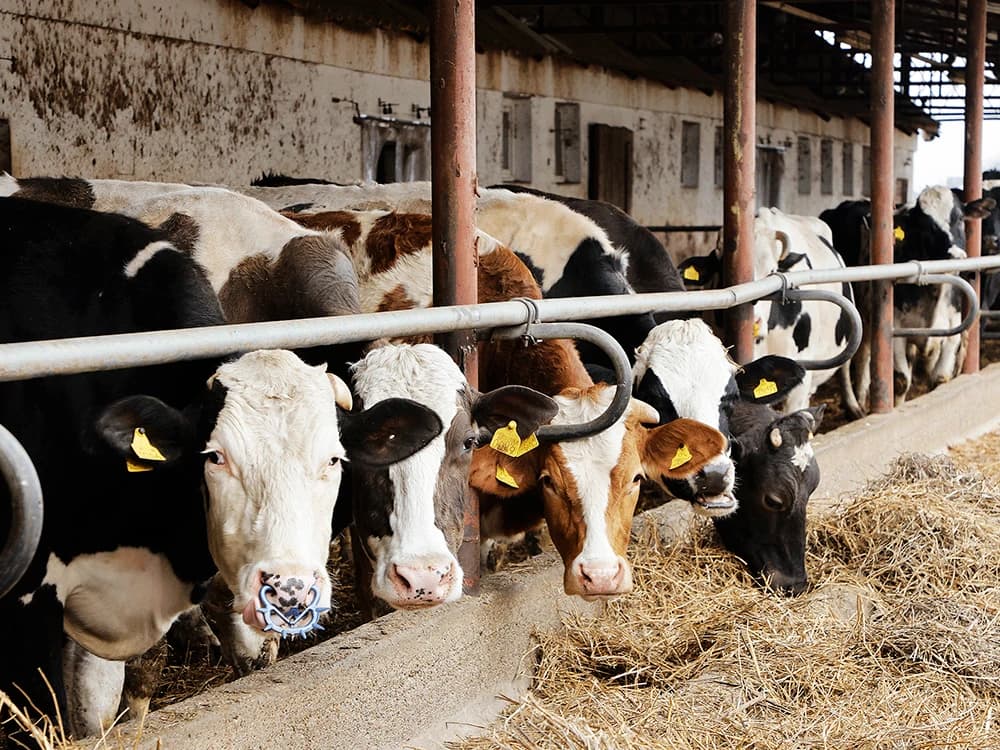
The educational process takes place in a modern and well-equipped infrastructure, which includes its own veterinary clinics, preclinical and clinical laboratories (anatomy, histology, microbiology, parasitology, pathology, veterinary pharmacy, genetics, infectious diseases, surgery, etc.), dissection rooms, amphitheaters, computerized laboratories, as well as facilities for internships and applied research.
The faculty stands out for its intense scientific activity, in which students, master's students, doctoral candidates, and teaching staff are involved in national and international research projects. Partnerships with universities in Europe, Asia, and North America allow for mobility through the Erasmus+ program, collaborations in the field of research, and academic exchanges that add value to the professional training of students.
Additionally, the faculty collaborates with authorities and companies in the veterinary, food, and pharmaceutical sectors, facilitating the integration of students into the labor market and their access to relevant internships in the industry or in specialized veterinary practice. Graduates of the Faculty of Veterinary Medicine are employed in various fields, such as:
- veterinary offices and clinics for pets and livestock;
- the veterinary pharmaceutical industry;
- public institutions for veterinary health control and food safety;
- diagnostic and biomedical research laboratories;
- higher education and pre-university education;
- national and international organizations involved in animal and human health.
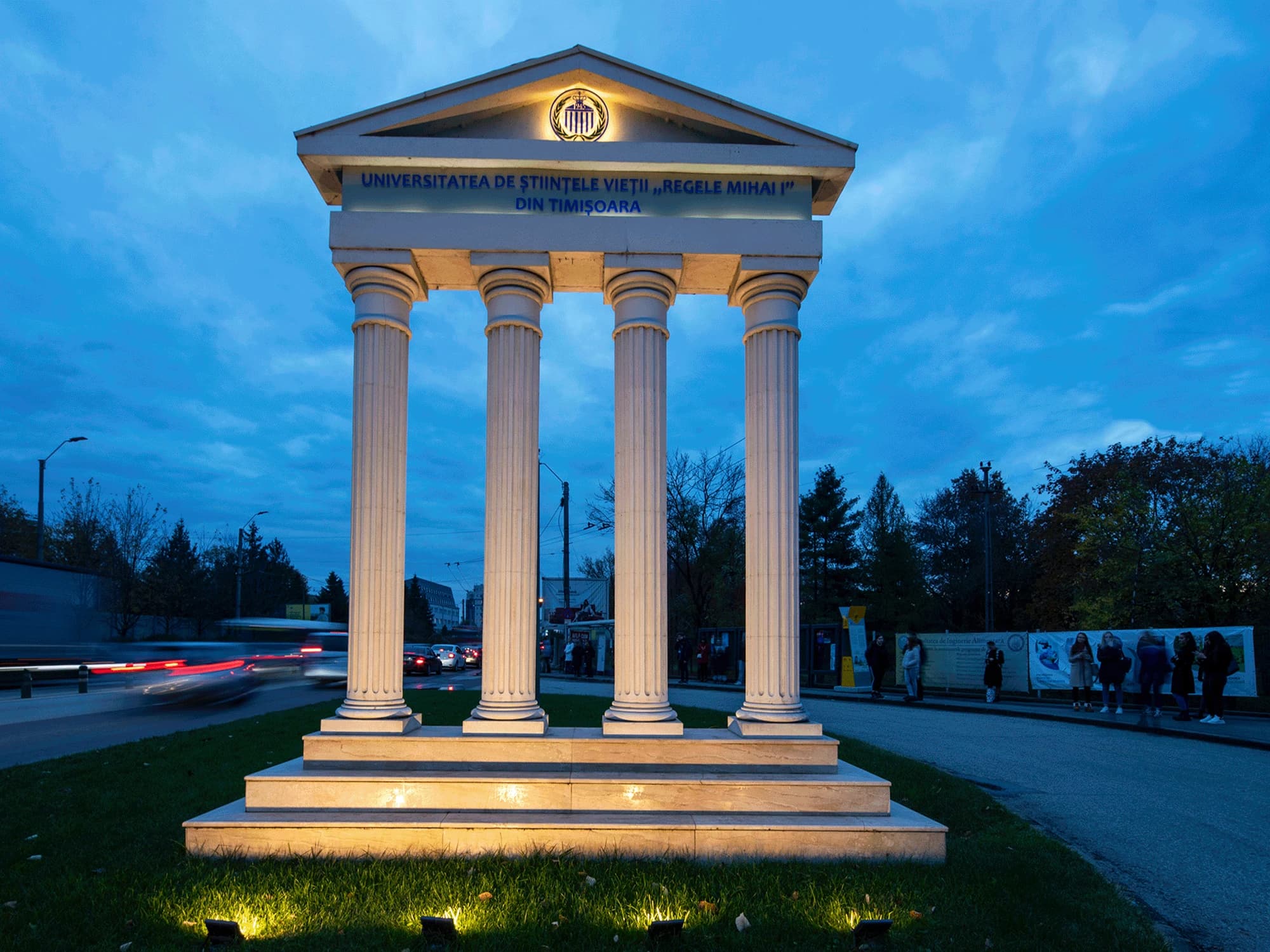
Additionally, the faculty collaborates with authorities and companies in the veterinary, food, and pharmaceutical sectors, facilitating the integration of students into the labor market and their access to relevant internships in the industry or in specialized veterinary practice. Graduates of the Faculty of Veterinary Medicine are employed in various fields, such as:
- veterinary offices and clinics for pets and livestock;
- the veterinary pharmaceutical industry;
- public institutions for veterinary health control and food safety;
- diagnostic and biomedical research laboratories;
- higher education and pre-university education;
- national and international organizations involved in animal and human health.
Leadership
Academic and administrative leadership structure of the faculty, with assignments, mandates and composition of the faculty council and the dean's team.

Newsletter
Subscribe to our newsletter
Subscribe to receive the latest information about university activities, academic and research initiatives, events dedicated to students and partners, collaboration opportunities, international projects, and updates from the life of USVT.